Your website went live. It looks professional, the colors are right, and your contact information is easy to find. So why are customers not reaching out?
For many small business owners, a WordPress website becomes a set-it-and-forget-it project. You invest in the design, launch the site, and move on to running your business. But a website that looks good and a website that actually converts visitors into customers are two very different things.
The truth is, most small business websites are falling short on performance, user experience, or conversion strategy. And if yours is one of them, it is costing you real revenue every single day.
What Working Actually Means for a Business Website
A website that works is not just one that loads. It is one that appears in search results for the right people, communicates your value clearly within the first few seconds, guides visitors toward a specific action, loads quickly on both desktop and mobile devices, and earns the trust of someone who has never heard of your business before.
If your site does not consistently do all five of those things, it has room to grow.
Common Reasons WordPress Websites Underperform
The design was built for aesthetics, not conversions.
A visually polished website can still fail to convert if it was not built with user behavior in mind. Clear calls to action, strategic placement of contact forms, and a logical page hierarchy are not design choices. They are conversion choices. Without intentional structure, even a beautiful site can leave visitors unsure of what to do next.
Page speed is silently losing you, customers.
Google’s research shows that 53% of mobile users abandon a website that takes longer than three seconds to load. WordPress sites loaded with plugins, unoptimized images, or outdated hosting are often significantly slower than they should be. That speed gap is a direct line to lost leads.
Your site is not optimized for how people search.
A well-designed website with no Search Engine Optimization strategy is, in many ways, invisible. If the pages on your site are not written to align with what your potential customers are actually searching for, your site will not appear in results, no matter how well it looks when someone does visit.
The mobile experience is an afterthought.
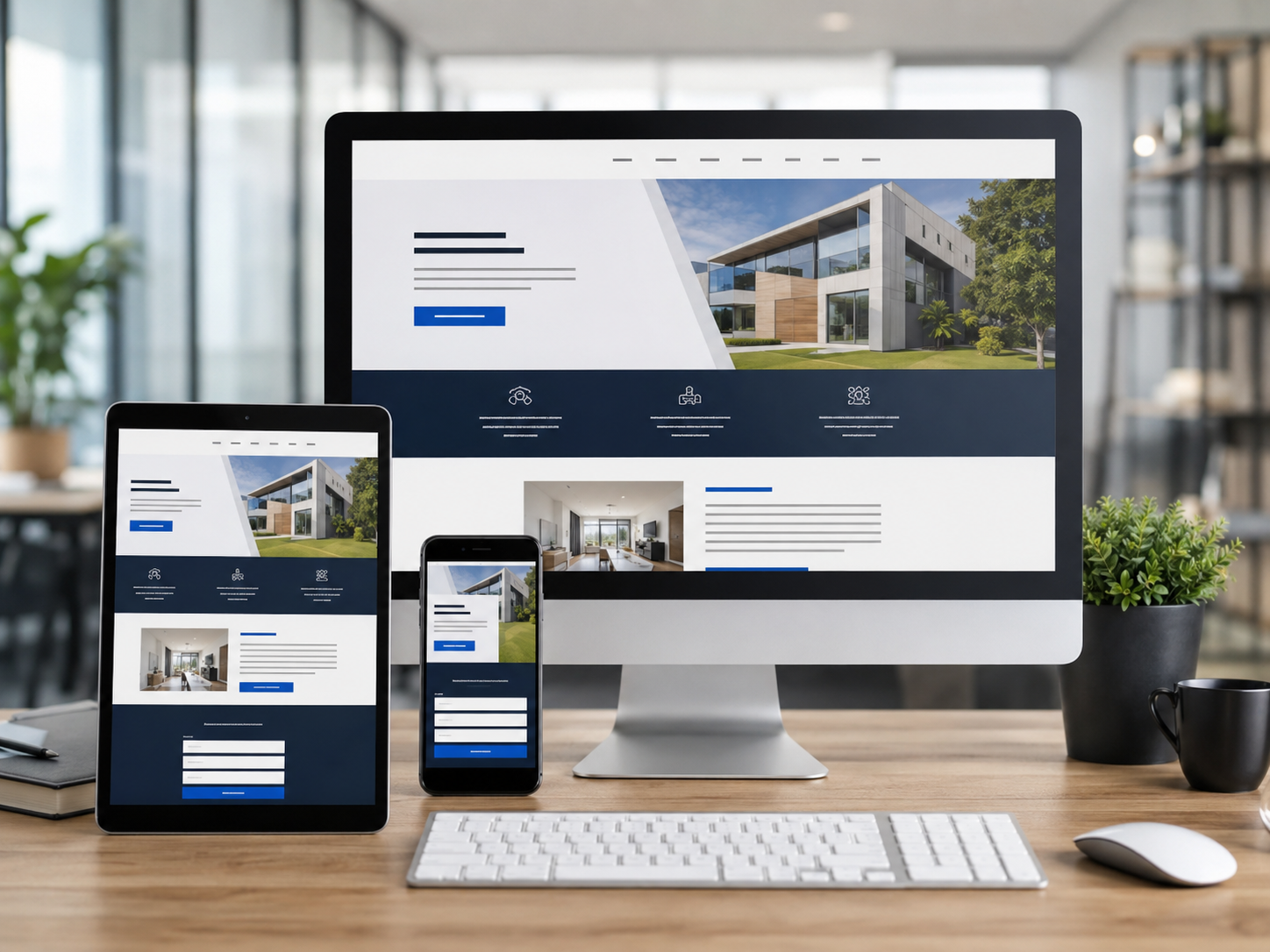
More than 60% of web traffic now comes from mobile devices. A website designed primarily for desktops may look fine on a large screen but offer a frustrating experience on a phone. Difficult navigation, small buttons, and text that requires zooming are all conversion killers.
What a High-Performing WordPress Website Looks Like
A WordPress website that is genuinely working for your business is one built with a clear strategy behind every decision. That means your homepage communicates exactly who you serve and what you do within the first few seconds. Your service pages are written for the people searching for what you offer, not just for search engines. Your contact forms are short, visible, and easy to complete on any device.
It also means your website is treated as an ongoing business asset, not a finished product. Design trends shift, search algorithms update, and customer expectations rise. A site that performed well two years ago may need meaningful updates today.

Three Questions to Ask About Your Website Right Now
- What is the first action you want a new visitor to take, and is that action obvious within five seconds of landing on your site?
- When did you last check how your website performs on a mobile device?
- Do you know which pages on your site are generating the most leads, and which ones visitors are leaving immediately?
If those questions are difficult to answer, that is a signal worth paying attention to.
Frequently Asked Questions
How do I know if my WordPress website is converting well?
A well-converting website typically sees a contact form submission, phone call, or purchase for every 2 to 5 percent of visitors. If your analytics show traffic but very few inquiries or sales, your conversion rate likely needs attention.
Does my website design affect my search rankings?
Yes. Google considers page speed, mobile-friendliness, and user experience signals when ranking websites. A poorly designed or slow website is harder to rank, regardless of content quality.
How often should a small business update its WordPress website?
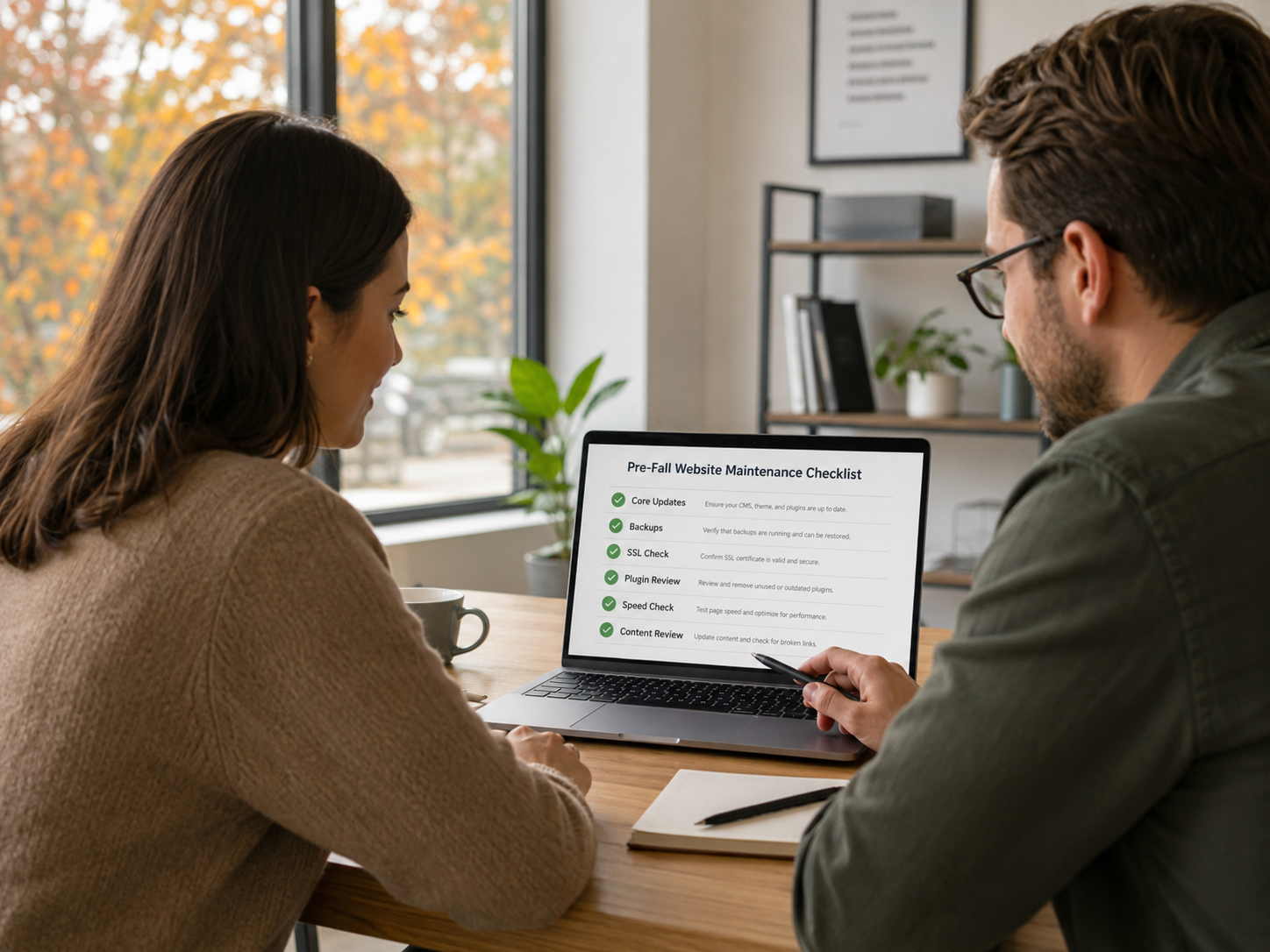
At a minimum, your website should be reviewed and updated every six to 12 months. This includes plugin updates, security patches, content refreshes, and performance audits.
Is WordPress a good platform for small business websites?
WordPress powers approximately 40% of all websites globally and remains one of the most flexible, scalable options for small business websites, especially when built and maintained by an experienced team.
What is the most common mistake small businesses make with their websites?
Treating the website launch as the finish line. A website is a live, ongoing marketing asset. The businesses seeing the strongest results are the ones investing in consistent updates, performance monitoring, and relevant content.
Your Website Should Be Earning Its Place in Your Business
A WordPress website that looks good but does not generate leads is an expensive placeholder. Businesses that consistently grow their customer base online are the ones treating their websites as a strategic tool, not just a digital business card.
At Vision Fillers, we design, develop, and optimize WordPress websites built specifically to convert. With over 15 years of experience and a 97% project success rate, our team builds sites that get found, earn trust, and drive results.
Ready to find out how your website is really performing? Contact Vision Fillers to get started.